Why Projection Mapping Is the Hottest Trend in Experiential Marketing Right Now
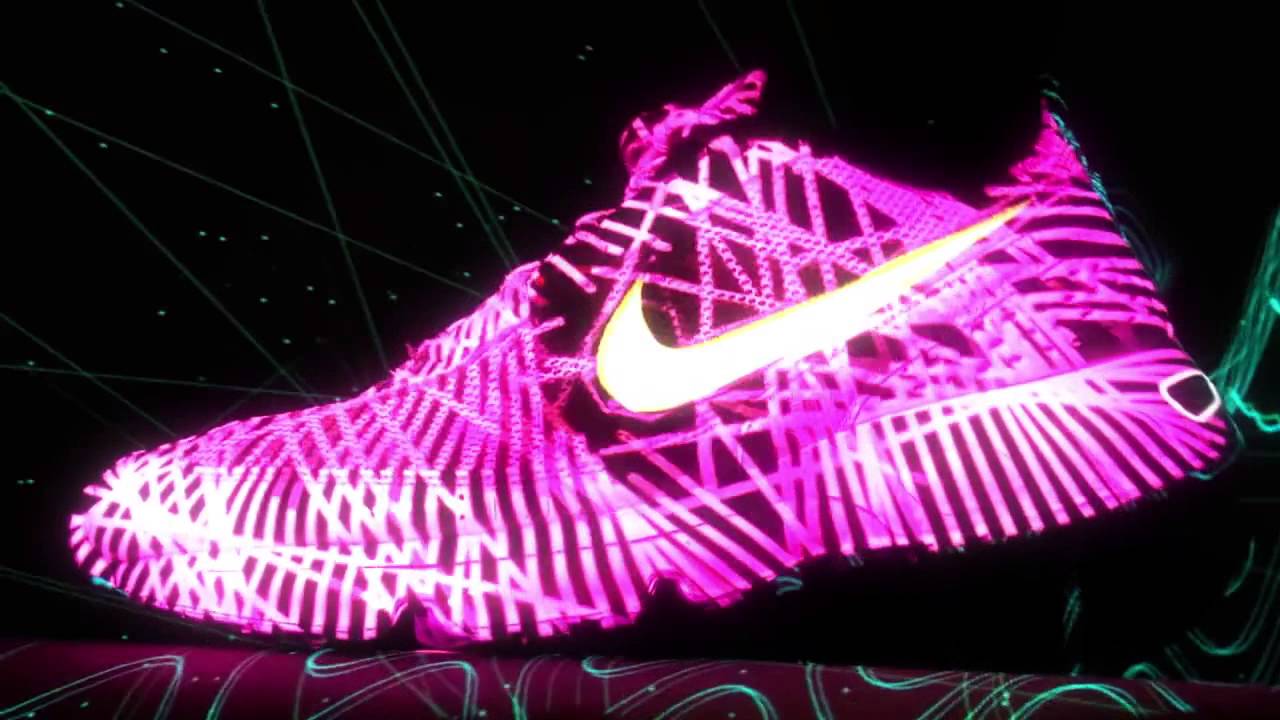
Marketing has officially entered its wow era. Audiences are harder to impress, attention spans are shorter than ever, and traditional ads just don’t hit like they used to. Enter projection mapping—the immersive visual technology that’s turning buildings, products, and entire environments into living, moving stories.
And yes, it’s everywhere for a reason.
From Screens to Spectacle
People don’t want to watch brands anymore—they want to experience them. Projection mapping transforms ordinary surfaces into dynamic canvases, wrapping viewers inside the message instead of placing it behind a screen.
A blank wall becomes a brand universe.
A product launch becomes a cinematic event.
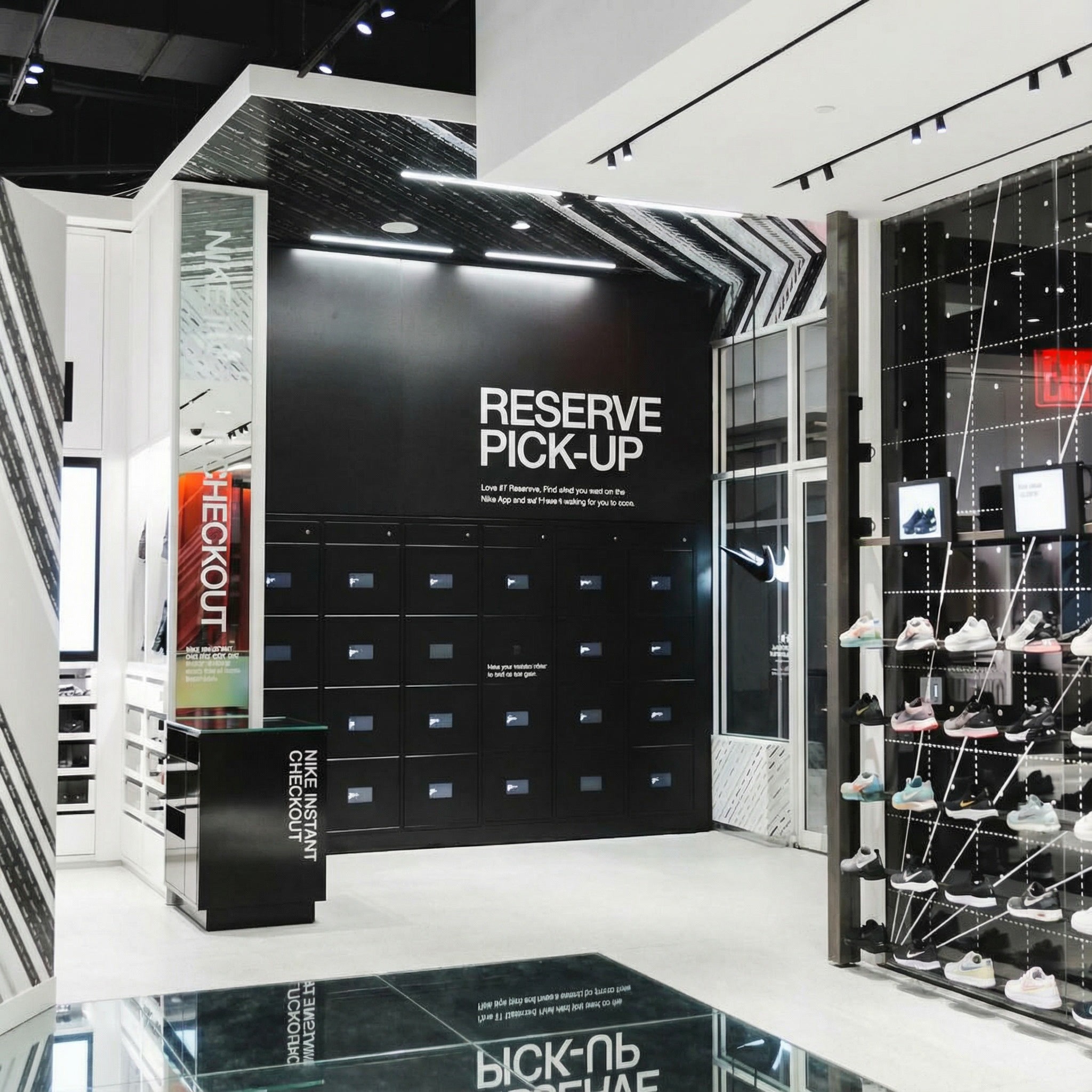
A retail space becomes an Instagram goldmine.
In a world drowning in content, spectacle wins.
Social Media Loves It (and That Matters)
Projection mapping is basically engineered for virality. The visuals are bold, unexpected, and visually arresting—exactly what stops thumbs mid-scroll.
When people record and share these moments, the campaign doesn’t end at the event. It multiplies across TikTok, Instagram, and YouTube, extending reach far beyond the physical audience. Brands aren’t just buying impressions anymore—they’re earning them.
It Feels Premium Without Feeling Pushy
Traditional ads tell people what to think. Projection mapping lets them discover it.
Because it’s experiential and artistic, it doesn’t feel like marketing—even though it absolutely is. This makes audiences more open, more curious, and more emotionally connected. The result? Higher brand recall and stronger storytelling without the hard sell.
Perfect Timing: Tech Has Finally Caught Up
Projection mapping isn’t new, but recent advances have made it more accessible and more impressive:
Higher-resolution projectors
Smarter software and real-time rendering
Easier integration with sound, motion, and interactivity
This means brands can now execute large-scale visuals faster, cleaner, and more creatively than ever before. The barrier to entry is lower, but the impact is bigger.
Brands Need Experiences, Not Just Messages
Consumers—especially younger audiences—prioritize memorable experiences over traditional advertising. Projection mapping taps directly into this shift. It blurs the line between art, technology, and brand storytelling, making campaigns feel cultural rather than commercial.
That’s why you’re seeing it used in:
Product launches
Fashion shows
Live events & festivals
Retail activations
Public art and brand takeovers
When done right, it doesn’t just promote a brand—it places it inside a moment people remember.
The Bottom Line
Projection mapping is trending because it delivers what modern marketing desperately needs: attention, emotion, and shareability.
It’s immersive without being intrusive.
Spectacular without being gimmicky.
And most importantly—it makes people feel something.
In an age where attention is the most valuable currency, projection mapping isn’t just a trend. It’s a strategic advantage.
Get in touch with hello@sparkplay.io to learn more!
date published
26 Jan 2026
reading time
Why Projection Mapping Is the Hottest Trend in Experiential Marketing Right Now